

The College of Forest Resources and Environmental Science at Michigan Technological University brings students, faculty, and researchers together to measure, map, model, analyze, and deploy solutions.
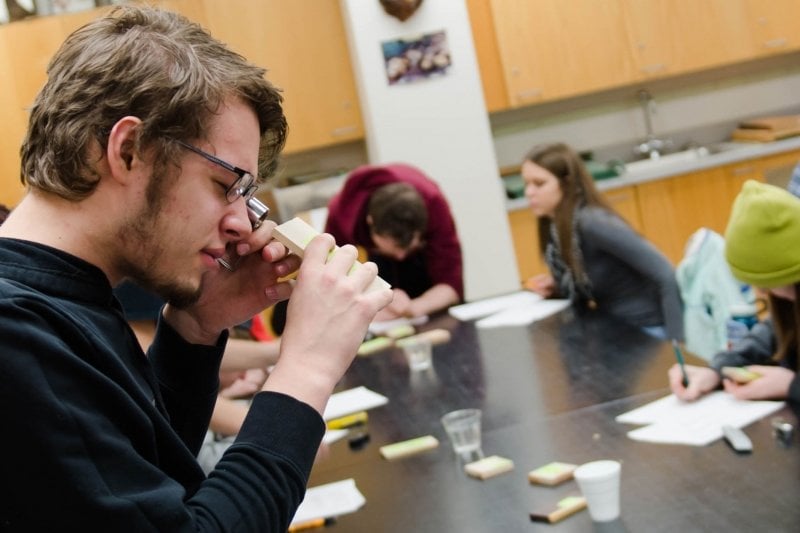
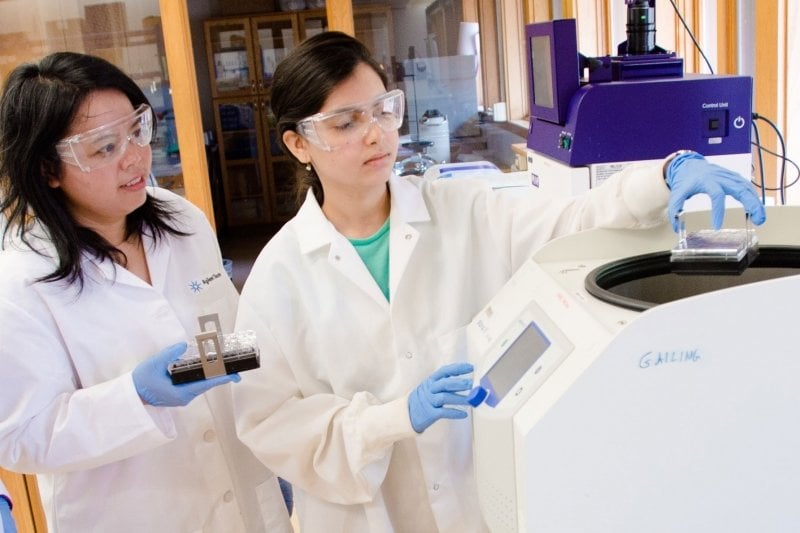
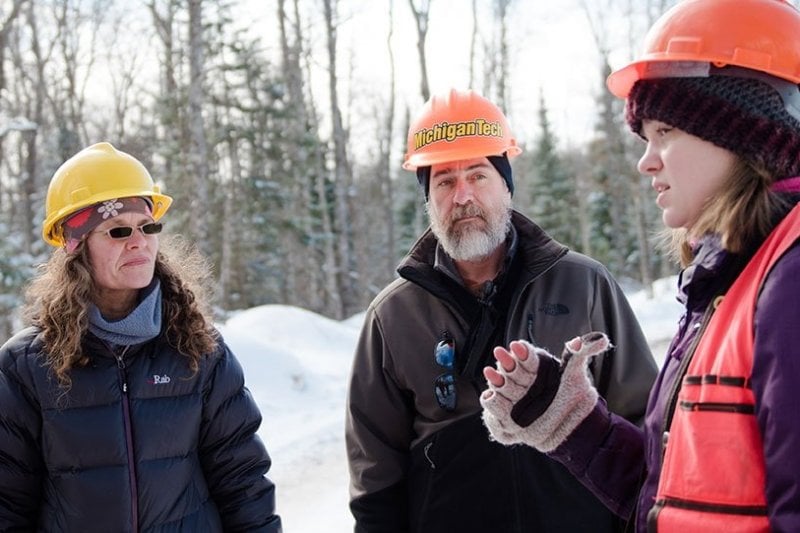
Woods. Water. Wildlife. The serenity they provide. The organisms they support. And the products they produce. More than 5,000 acres of University forests are set aside for research, education, recreation, and outreach. We're a scholarly community on a first-name basis—ready to help you grow in your research and create a career based on challenges facing our natural world.
Hear from CFRES Students
Watch Student Testimonial video

Student Testimonial
Mason Steele, Applied Ecology and Environmental Science, shares his MTU Experience.

Winner of our January 2023 photo contest, taken by Sam Kurkowski.

